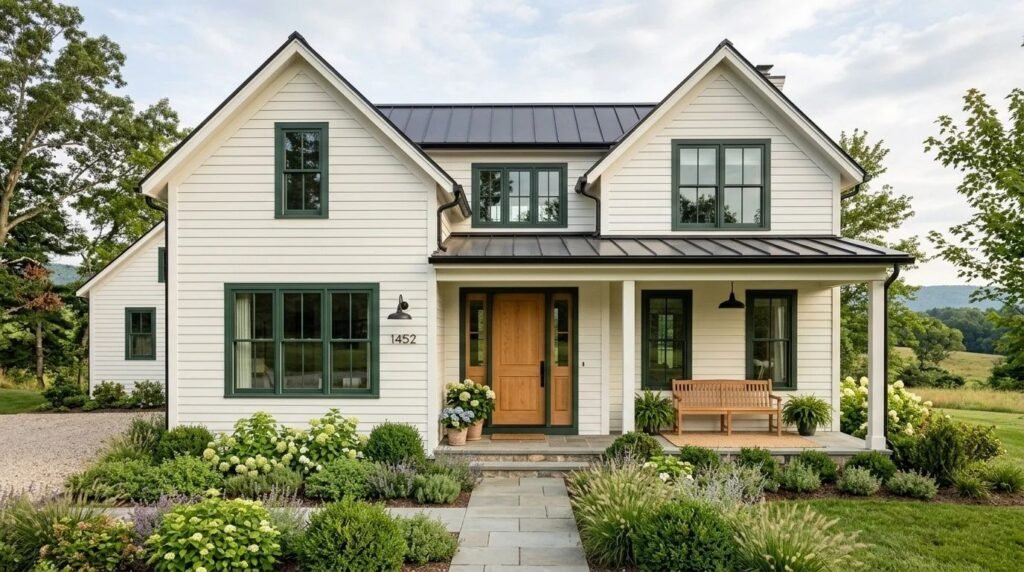
Choosing the best paint for outside wood involves more than finding an attractive color. Outdoor wood is constantly exposed to sunlight, rain, humidity, temperature changes, and everyday wear. Without the right paint and preparation, even a freshly painted fence, door, or window trim can start peeling, cracking, or fading sooner than expected.
The good news is that choosing the right product doesn’t have to be complicated. For most exterior wood surfaces, 100% acrylic latex exterior paint is an excellent all-around choice because it offers good adhesion, flexibility, weather resistance, and color retention. However, the ideal paint depends on what you’re painting, the condition of the wood, and how much exposure it receives.
In this guide, we’ll explain what makes a good outdoor wood paint, compare different paint types, discuss the best finishes for different surfaces, and walk through the preparation and painting process. You’ll also learn which common mistakes to avoid so your finished project looks attractive and stays protected for longer.
What Is the Best Paint for Outside Wood?
The best paint for outside wood is generally a high-quality 100% acrylic latex exterior paint designed specifically for wood surfaces.
Unlike ordinary interior paint, exterior acrylic paint is formulated to handle changing weather conditions. Its flexible coating can accommodate some of the natural expansion and contraction of wood as temperatures and moisture levels change.
It also offers several practical advantages:
- Weather resistance: Helps protect wood from rain, humidity, and changing outdoor conditions.
- Color retention: Quality acrylic formulations generally hold their color and gloss better than less durable alternatives.
- Flexibility: Helps the paint film accommodate natural wood movement.
- Adhesion: Forms a durable bond when applied to a properly prepared surface.
- Easy maintenance: Most water-based formulas can be cleaned with soap and water before the paint dries.
Sherwin-Williams also identifies 100% acrylic exterior paint as a strong option because of its adhesion, gloss retention, fade resistance, and mildew resistance.
Sherwin-Williams+1
However, acrylic paint isn’t automatically the right solution for every outdoor wood project. A wooden deck, garden bench, exterior door, and house trim have different requirements.
The most important thing is to choose a product specifically labeled for the surface you’re painting.
Different Types of Paint for Outdoor Wood
Before buying paint, it helps to understand the differences between the main exterior paint options. Each has particular strengths, limitations, and suitable applications.
1. 100% Acrylic Latex Paint
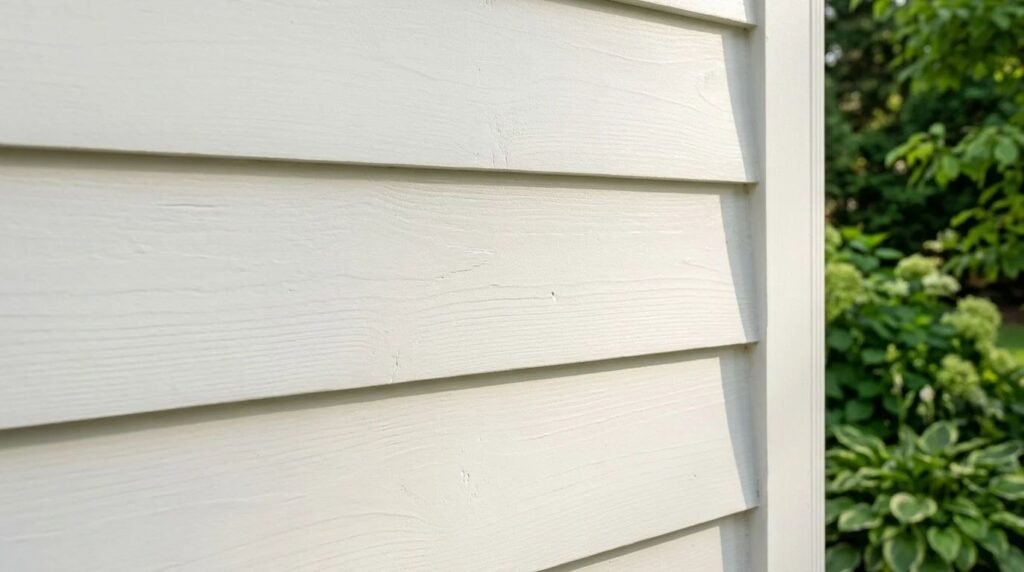
100% acrylic latex is one of the best choices for most outdoor wood painting projects.
It is water-based and uses acrylic resins to create a flexible coating that adheres well to properly prepared wood. It also offers good resistance to fading and weather exposure.
Best for:
- Exterior wooden siding
- Window and door trim
- Wooden shutters
- Porch railings
- Exterior wooden furniture, when the product allows it
Advantages:
- Good flexibility as wood expands and contracts.
- Strong color retention.
- Easier cleanup than oil-based paint.
- Generally lower odor than traditional solvent-based paint.
- Good performance in different weather conditions.
Limitations:
Premium acrylic paints can cost more than basic exterior latex options. Bare wood may also require a compatible primer before painting.
Our recommendation: If you’re painting exterior siding, trim, or other vertical wood surfaces, start by comparing quality 100% acrylic exterior paints.
2. Acrylic Latex Paint
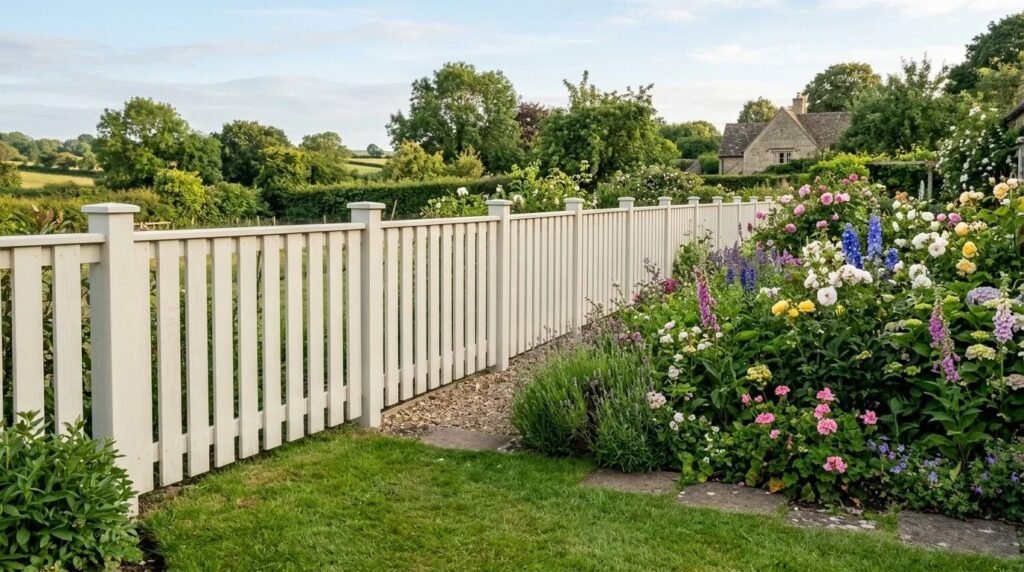
Acrylic latex and 100% acrylic latex are closely related, but the labels are not necessarily interchangeable.
Some acrylic latex products contain blends of different binders, while 100% acrylic products use acrylic resin as their primary binder.
A good exterior acrylic latex paint can offer dependable protection at a more accessible price. However, product quality varies, so check the manufacturer’s specifications rather than choosing based on the word “latex” alone.
Best for:
- Wooden fences
- Exterior siding
- Garden structures
- General outdoor wood maintenance
Advantages:
- Water-based application.
- Convenient cleanup.
- Good flexibility.
- Available in many colors and finishes.
Limitations:
Lower-quality formulas may not offer the same adhesion, fade resistance, or long-term durability as premium 100% acrylic products.
3. Oil-Based Exterior Paint
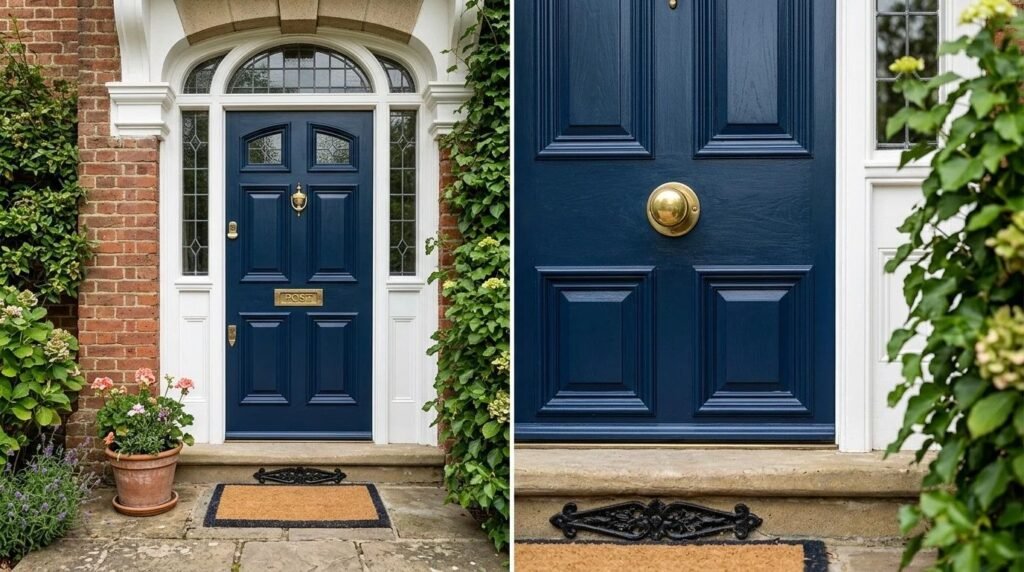
Oil-based paint, often sold as alkyd paint, creates a relatively hard and smooth coating. It can be useful for certain detailed woodwork and surfaces where a smooth finish is important.
It has traditionally been used on exterior doors, decorative woodwork, and trim.
Best for:
- Certain exterior doors
- Decorative wood details
- Surfaces requiring a smooth enamel-like finish
Advantages:
- Good leveling properties.
- Can create a smooth, hard finish.
- Suitable for some high-contact applications.
Limitations:
- Usually takes longer to dry.
- Requires solvent-based cleanup.
- Can have a stronger odor.
- Traditional alkyd coatings may become brittle as they age.
One important consideration is compatibility. You should not assume that an oil-based coating can be applied directly over existing latex paint. Sherwin-Williams explains that differences in flexibility between alkyd and latex coatings can contribute to adhesion problems and peeling.
Sherwin-Williams+1
For most general exterior wood projects, a quality acrylic latex system is the more practical starting point.
4. Exterior Enamel Paint
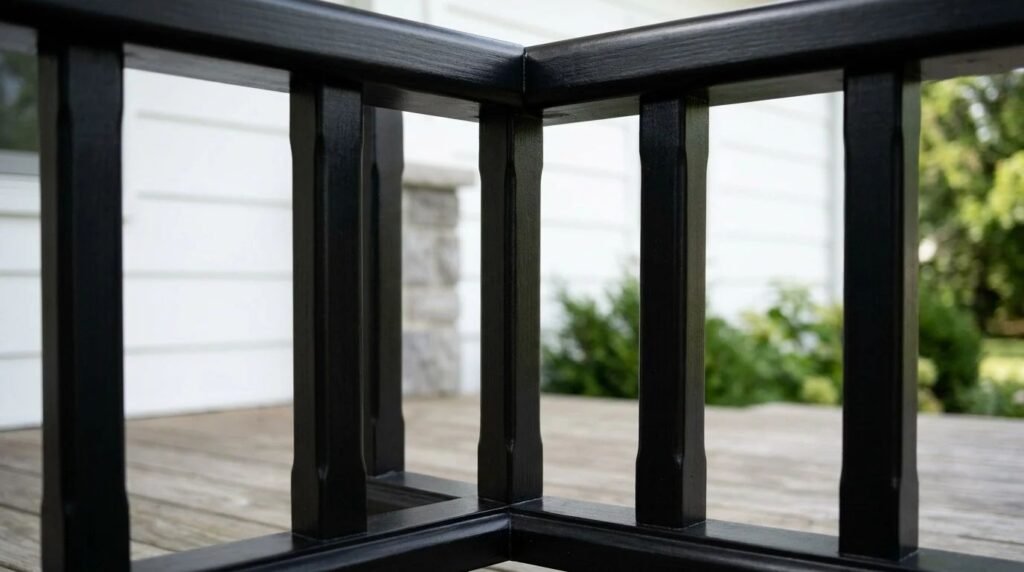
Exterior enamel is another option worth considering, especially for wood surfaces that receive frequent handling.
Enamel describes a type of finish rather than one specific paint chemistry. You can find both water-based and oil-based enamel products.
It is particularly useful when you want a smooth, relatively hard surface that is easier to wipe clean.
Best for:
- Exterior doors
- Wooden railings
- Window frames
- Decorative wooden trim
- Outdoor furniture designed for painted finishes
Advantages:
- Smooth, attractive appearance.
- Good surface-cleaning properties.
- Available in different sheen levels.
- Some formulations provide excellent scratch resistance.
Limitations:
Glossy enamel can highlight dents, scratches, and uneven areas. Surface preparation is especially important if you want a polished result.
Always check that the enamel is specifically rated for exterior wood.
5. Solid-Color Exterior Wood Stain
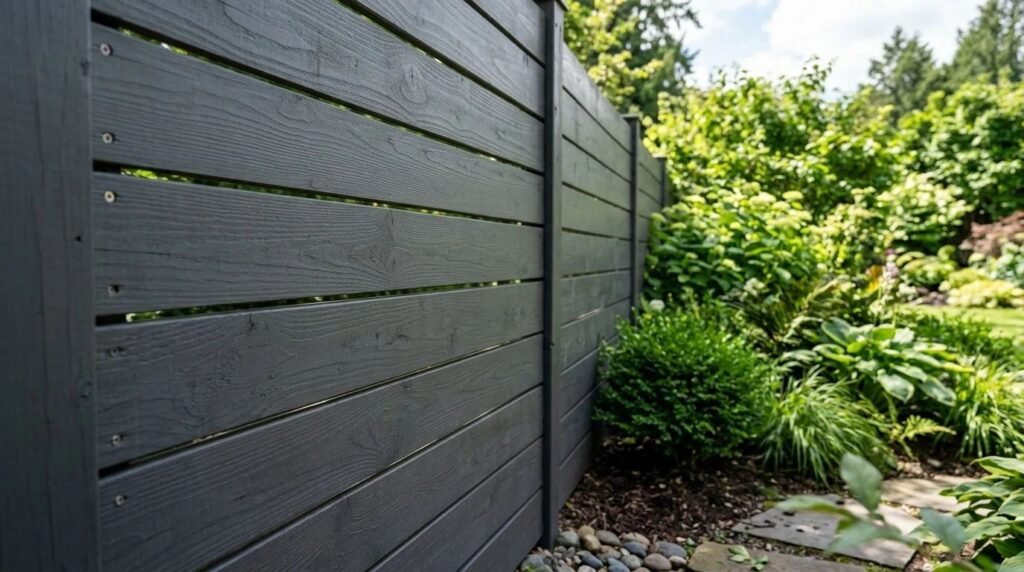
Although solid-color stain isn’t technically paint, it deserves a place in this comparison.
It provides an opaque color finish while being formulated specifically for wood. Depending on the product, it may allow some of the wood’s natural texture to remain visible.
Solid-color stains are particularly useful for fences, siding, and other outdoor wood surfaces where a uniform color is desired without necessarily using conventional house paint.
Best for:
- Wooden fences
- Exterior wood siding
- Garden structures
- Rough-sawn wood surfaces
Advantages:
- Provides substantial color coverage.
- Designed for exterior wood applications.
- Can be a good alternative when conventional paint isn’t the preferred finish.
Limitations:
It doesn’t create the same appearance as traditional exterior paint. Product compatibility also matters when applying it over an existing coating.
For rough-sawn plywood siding, Sherwin-Williams specifically identifies exterior wood stains as an option and also recommends an acrylic latex primer and topcoat system when an opaque painted appearance is preferred.
Sherwin-Williams+1
Best Paint for Outside Wood Trim
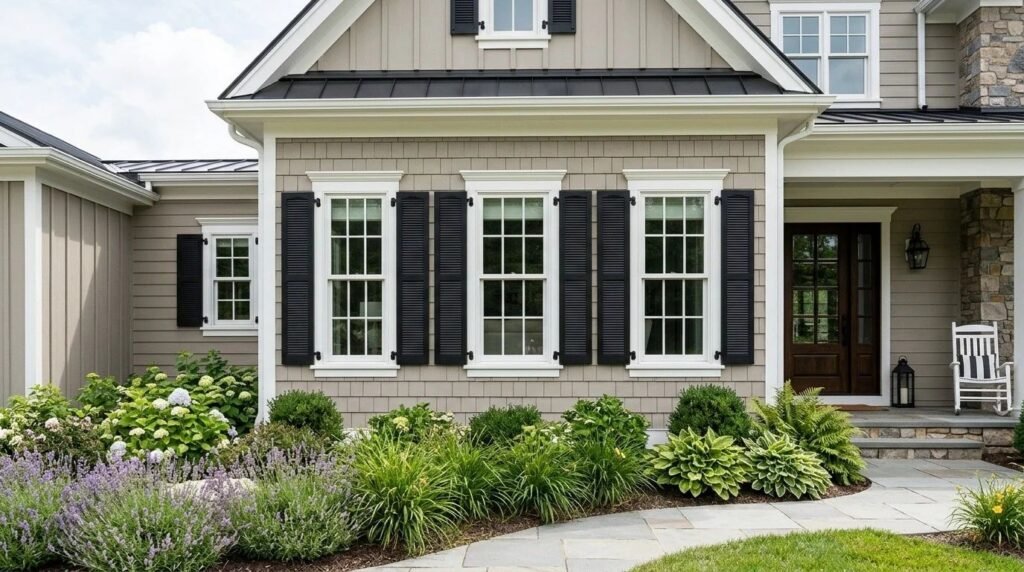
Exterior wood trim needs paint that can handle direct sunlight, rain, and frequent temperature changes while maintaining a neat appearance.
For most painted exterior trim, a quality 100% acrylic exterior paint is a reliable choice. If you want a smoother and more durable-looking finish, consider an exterior-rated acrylic enamel specifically approved for wood trim.
Here are some suitable options:
| Trim location | Recommended paint | Suggested finish |
| Window trim | 100% acrylic exterior paint | Satin or semi-gloss |
| Door frames | Exterior acrylic enamel | Semi-gloss |
| Decorative wood trim | Exterior acrylic paint | Satin |
| Porch railings | Exterior-rated acrylic enamel | Satin or semi-gloss |
| Fascia boards | Quality exterior acrylic paint | Satin |
Which Color Works Best for Exterior Wood Trim?
The color should complement your home’s siding, roof, and other exterior details.
A few combinations worth considering include:
- White trim with dark siding: Creates a crisp, traditional appearance.
- Black trim with light gray siding: Gives the exterior a modern, defined look.
- Dark green siding with black trim: Creates a rich, natural appearance.
- Warm beige trim with brown wood accents: Works particularly well with rustic and traditional homes.
If you’re planning a darker exterior palette, take a look at these dark green house with black trim ideas for inspiration.
How to Choose the Right Paint for Different Outdoor Wood Surfaces
Not every outdoor wooden surface needs the same type of coating. A fence has different demands from a front door, and a garden bench experiences different wear from exterior siding.
Here’s how to choose the best outside paint for wood based on your project.
1. Wooden Fences
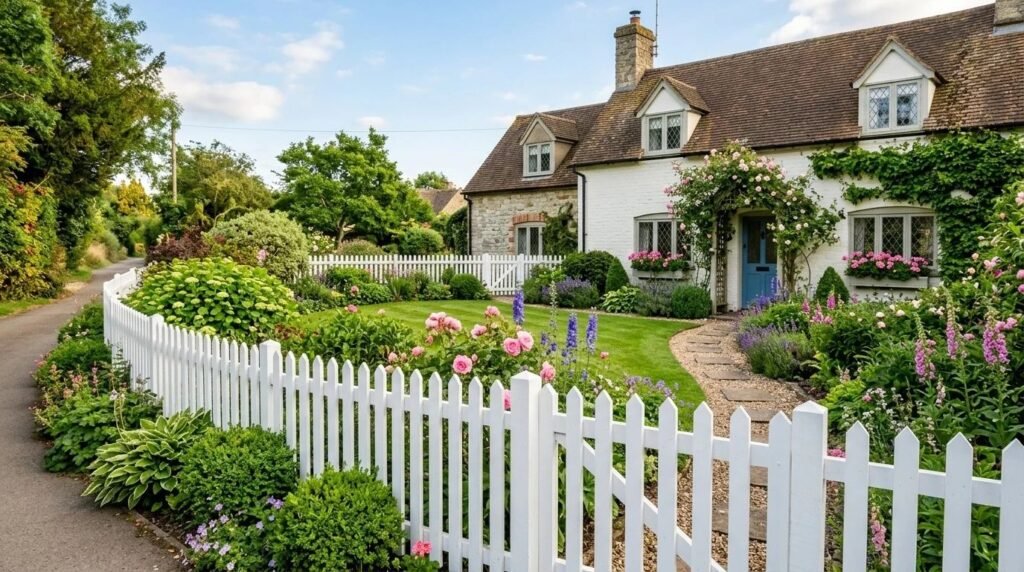
Fences are exposed to rain, direct sunlight, dust, and moisture from surrounding soil and vegetation.
For most painted wooden fences, choose a quality exterior acrylic latex paint or a solid-color exterior wood stain.
A few things to consider:
- Choose a finish specifically designed for exterior wood.
- Use a compatible primer on bare wood when required.
- Pay attention to the bottom edges of fence boards, where water can collect.
- Allow adequate drying time between coats.
- Avoid painting wood that is damp or has visible signs of decay.
If you prefer to see the natural grain, a penetrating exterior stain may be a better choice than opaque paint.
2. Exterior Wooden Doors
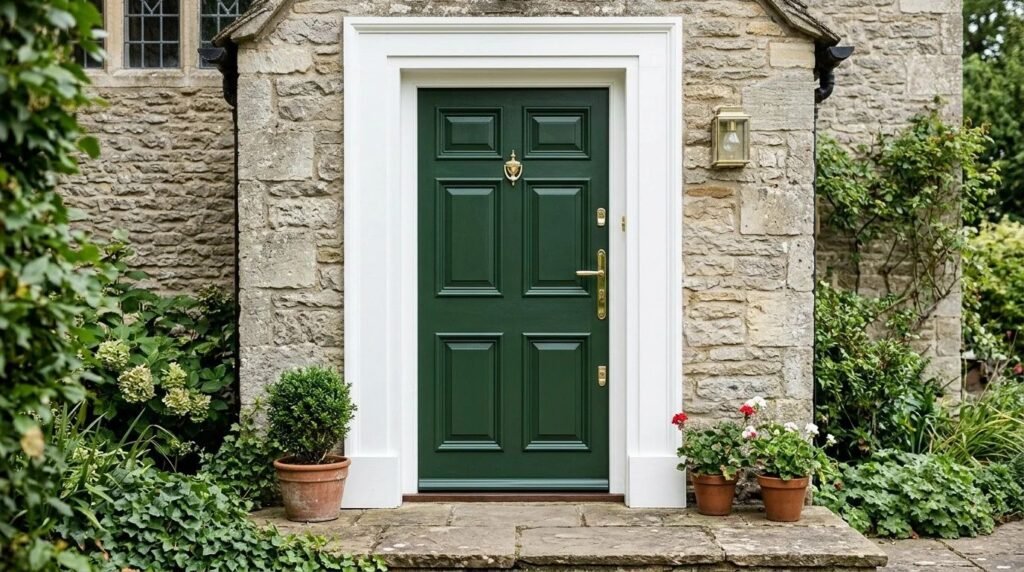
Exterior doors need a coating that looks attractive while resisting frequent handling and weather exposure.
An exterior-rated acrylic enamel is a good option for many wooden doors. Semi-gloss is particularly useful because it creates a smooth appearance and is relatively easy to clean.
Before painting, pay attention to the door’s condition. Remove loose paint, smooth rough areas, and use a suitable primer if the wood is bare or stained.
If the door receives strong afternoon sunlight, consider a quality UV-resistant exterior formulation.
3. Wooden Window Frames
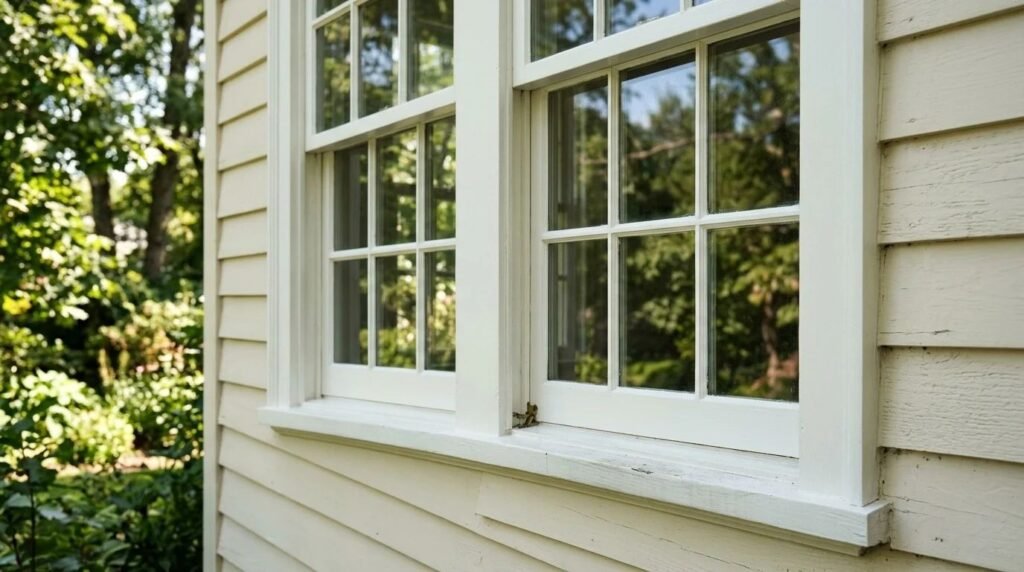
Window frames experience repeated exposure to rain, sunlight, and condensation.
A quality exterior acrylic paint or acrylic enamel is generally suitable, provided the product is approved for the particular window surface.
Satin and semi-gloss finishes are practical because they are easier to clean than very flat finishes.
Pay special attention to joints, corners, and lower horizontal sections. These areas can collect water and may deteriorate if existing moisture problems aren’t addressed.
4. Outdoor Wooden Furniture
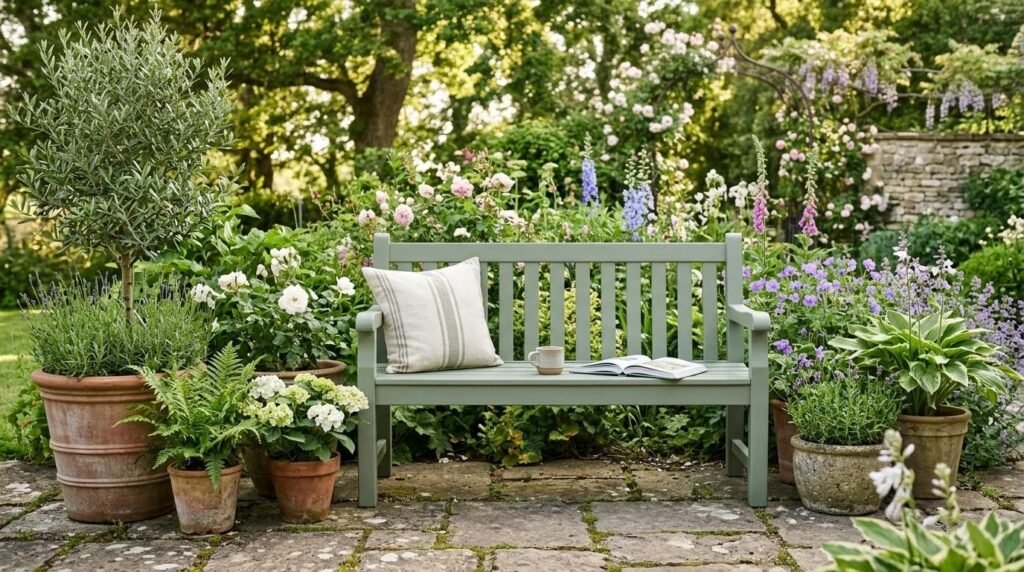
Garden chairs, benches, and wooden tables need paint that can withstand handling, sunlight, and occasional moisture.
Choose an exterior-rated acrylic enamel or furniture paint that specifically allows outdoor use.
For frequently used furniture, a satin or semi-gloss finish can be easier to maintain.
One important detail: don’t use ordinary exterior wall paint on every furniture surface. Seats, tabletops, and other high-contact areas may require a product with different durability specifications.
Also, keep furniture covered or protected during prolonged wet weather whenever possible.
5. Wooden Sheds and Garden Structures
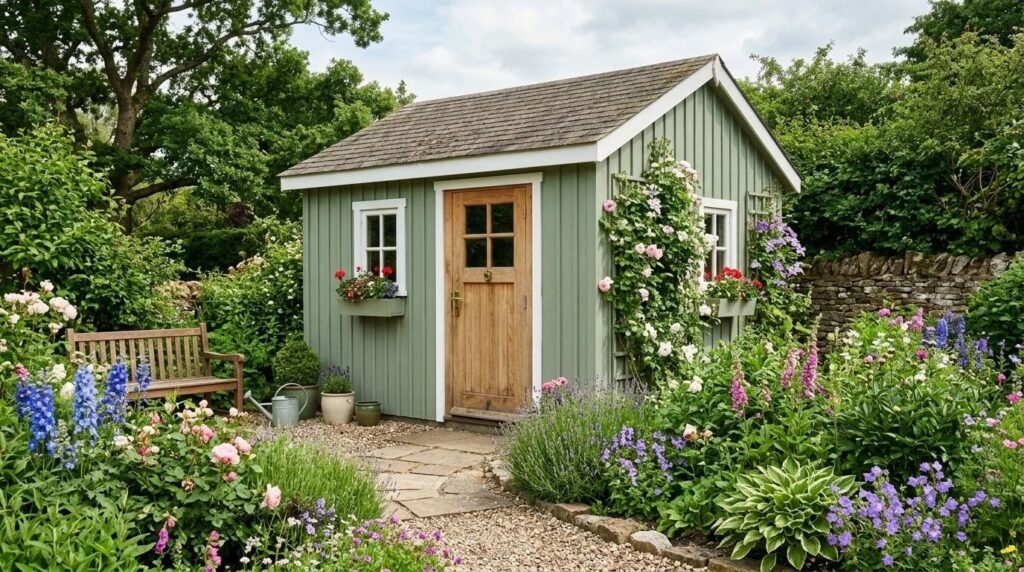
Garden sheds, pergolas, and other wooden structures need protection from outdoor exposure.
A quality exterior acrylic latex paint is a sensible option for opaque coverage. A solid-color stain can also work well when you want a more wood-oriented finish.
Before painting, check for:
- Water damage around the base.
- Loose or peeling previous coatings.
- Cracks and gaps in exposed joints.
- Poor drainage around the structure.
- Areas where climbing plants trap moisture against the wood.
Repairing these problems before painting is just as important as choosing the right product.
Which Paint Finish Is Best for Outside Wood?
Paint sheen affects more than appearance. It also influences how easily a painted surface can be cleaned and how clearly surface imperfections show.
Here are the most common options.
| Paint finish | Appearance | Best use |
| Flat/Matte | Little to no shine | Selected exterior wood surfaces where a low-sheen appearance is desired |
| Satin | Soft, subtle shine | Exterior siding, fences, and general trim |
| Semi-gloss | Noticeable shine | Doors, window frames, and railings |
| Gloss | Highly reflective | Decorative details and selected exterior woodwork |
Flat or Matte Finish
Flat paint creates a soft appearance without much reflection. It can help disguise small surface irregularities, but it may be more difficult to clean than higher-sheen alternatives.
Choose it when appearance matters more than frequent cleaning and the product is specifically suitable for exterior wood.
Satin Finish
Satin is a practical middle ground.
It offers a gentle sheen without looking overly shiny. It works particularly well on exterior siding, wooden fences, and decorative woodwork.
If you’re unsure which finish to choose for a general outdoor wood project, satin is a sensible starting point.
Semi-Gloss Finish
Semi-gloss creates a more noticeable shine and is generally easier to wipe clean.
It’s particularly suitable for doors, window trim, and porch railings.
However, it can highlight scratches, dents, and uneven preparation. Make sure the wood is smooth before applying it.
Gloss Finish
Gloss paint creates a shiny, reflective appearance that can make architectural details stand out.
It’s best reserved for selected decorative features rather than every exterior wood surface.
A glossy finish can look beautiful on a front door, but it requires careful preparation to achieve a smooth result.
Do You Need Primer Before Painting Outside Wood?
Yes, primer is often necessary, particularly when painting bare wood.
Exterior primer creates a suitable base for the topcoat, helps improve adhesion, and can reduce uneven paint absorption.
It can also help prevent discoloration from wood tannins, knots, and other natural extractives when you select a suitable stain-blocking formulation.
However, not every exterior repaint requires a completely new primer coat. The right approach depends on the existing paint, the condition of the wood, and the manufacturer’s instructions.
Which Exterior Wood Primer Should You Choose?
There are several options.
Water-based acrylic or latex primer: Suitable for many general exterior wood applications. It offers convenient cleanup and good flexibility.
Oil-based or alkyd primer: Useful for certain stain-blocking applications, including woods with tannins or stubborn discoloration, when recommended by the manufacturer.
Stain-blocking acrylic primer: A useful option for wood that needs additional protection against discoloration while maintaining compatibility with a water-based topcoat.
For example, cedar and redwood contain natural extractives that can bleed through ordinary paint. These surfaces may require a dedicated stain-blocking primer.
The USDA Forest Service’s guide to exterior wood finishing discusses the importance of priming bare wood and choosing suitable primers for woods containing water-soluble extractives.
fpl.fs.usda.gov
Important: Always check that the primer and topcoat are compatible. Using products from different paint systems without checking their specifications can lead to adhesion problems.
How to Prepare Outdoor Wood Before Painting
Even the best paint for wood outside can fail when the surface isn’t prepared properly.
Preparation removes dirt, loose coatings, and other materials that interfere with adhesion. It also gives the new paint a more consistent appearance.
Follow these steps before opening your paint can.
Step 1: Inspect the Wood
Start by examining the entire surface.
Look for peeling paint, cracks, soft spots, mildew, damaged joints, and signs of rot.
Pay special attention to areas close to the ground, around windows, and near joints where water may collect.
If the wood is badly rotted or structurally damaged, repair or replace it before painting. Paint cannot restore damaged wood.
Step 2: Clean the Surface
Remove dirt, dust, cobwebs, pollen, and other loose materials.
You can use a suitable exterior wood cleaner, a soft brush, and clean water.
For stubborn mildew, use a cleaner specifically designed for the affected surface and follow its safety instructions.
Avoid using excessive pressure when washing wood. Aggressive pressure washing can damage wood fibers and force water into joints.
Step 3: Remove Loose and Peeling Paint
Use a paint scraper to remove coatings that are already lifting or flaking.
The goal isn’t necessarily to remove every layer of firmly attached old paint. You want to create a stable surface that can support the new coating.
If the existing paint is in good condition, lightly sanding the surface may be sufficient.
Safety tip: Older painted surfaces may contain lead, particularly in homes built before 1978 in the United States. Follow applicable lead-safe requirements before disturbing old coatings. Avoid dry sanding or scraping potentially lead-containing paint without appropriate precautions.
Step 4: Sand the Wood
Sanding helps smooth rough areas and improves the appearance of the finished coating.
Use an appropriate sandpaper grade for the surface and existing finish.
For example:
- Rough bare wood may need more initial sanding.
- Previously painted wood generally needs light sanding where appropriate.
- Damaged edges should be smoothed before applying primer.
Remove sanding dust with a clean brush or suitable cloth before moving to the next step.
Step 5: Allow the Wood to Dry
This step is easy to overlook.
Never apply exterior paint to wet or damp wood unless the product specifically permits the moisture conditions present.
Moisture trapped underneath the coating can contribute to blistering, peeling, and poor adhesion.
Allow freshly washed wood to dry thoroughly. Follow the paint manufacturer’s moisture and weather requirements.
Step 6: Apply Exterior Primer
Apply the appropriate primer to bare wood and any other areas that require priming.
Use a brush or roller suitable for the surface. Pay attention to edges, joints, and exposed end grain.
Allow the primer to dry according to the manufacturer’s instructions before painting.
Step 7: Apply the First Coat of Paint
Stir the paint thoroughly and apply an even coat.
Work along the wood grain where practical, using a good-quality exterior paintbrush or roller.
Avoid applying excessively thick coats. Thick applications can dry unevenly and may lead to an unattractive finish.
Step 8: Apply the Second Coat
After the first coat has dried for the recommended period, apply the second coat.
Two coats are commonly recommended for a consistent finish, although the exact requirement depends on the product, surface condition, and coverage instructions.
Don’t rush the process. Temperature, humidity, and airflow all influence drying time.
Step 9: Allow the Paint to Cure
Paint that feels dry to the touch isn’t necessarily fully cured.
Avoid heavy handling, placing objects against freshly painted surfaces, or exposing newly painted furniture to unnecessary wear until the manufacturer’s recommended curing period has passed.
Best Weather Conditions for Painting Outdoor Wood
The weather on painting day can affect the final result just as much as the paint itself.
Even a premium exterior paint can develop problems if you apply it under unsuitable conditions.
Here are a few things to check before starting.
Temperature: Check the recommended application temperature on the paint label. Some products are designed for cooler conditions, while others require warmer temperatures.
Humidity: High humidity can slow drying and affect how the coating forms.
Rain: Avoid painting when rain is expected within the product’s specified drying window.
Direct sunlight: Very hot surfaces can cause paint to dry too quickly, making application and leveling difficult.
Wind: Strong winds can carry dust, leaves, and debris onto freshly painted surfaces.
A mild, dry day with suitable temperatures and no immediate rain forecast is generally a good time to paint.
Common Mistakes to Avoid When Painting Outside Wood
A few avoidable mistakes can shorten the life of an exterior paint job.
Here are the ones to watch for.
1. Choosing Interior Paint for Outdoor Wood
Interior paint isn’t formulated for prolonged outdoor exposure.
Always select paint specifically designed for exterior applications.
2. Painting Over Peeling Paint
Applying new paint over loose or flaking coatings won’t solve the underlying problem.
Remove unstable paint and prepare the surface before applying a new coating.
3. Skipping Primer on Bare Wood
Bare wood can absorb paint unevenly, resulting in inconsistent coverage.
Use a suitable exterior primer when required by the paint system.
4. Ignoring Moisture Problems
Painting over damp wood or failing to repair water leaks can lead to blistering and peeling.
Fix the source of moisture before repainting.
5. Applying Thick Coats
Trying to finish the job with one heavy coat can result in uneven coverage, visible brush marks, and poor drying.
Follow the manufacturer’s recommended coverage and coat requirements.
6. Using the Wrong Paint for Decks
Ordinary exterior wall paint isn’t automatically suitable for horizontal deck surfaces.
Decks experience foot traffic, standing water, and greater mechanical wear. Choose a dedicated deck coating or stain designed for walking surfaces.
7. Ignoring Paint Compatibility
Applying a new coating over an incompatible existing finish can cause peeling and adhesion problems.
Check the existing coating and follow the new product’s compatibility instructions.
How to Maintain Painted Outdoor Wood
Once your project is complete, a little maintenance can help keep the finish looking good.
You don’t need an elaborate maintenance routine. Just inspect the surface periodically and address small problems before they become larger repairs.
- Clean surfaces regularly: Remove dust, dirt, and organic debris with gentle cleaning.
- Check for peeling: Look for small areas where paint is beginning to lift.
- Inspect joints and edges: These areas are particularly vulnerable to moisture.
- Trim nearby vegetation: Keep plants and shrubs from constantly rubbing against painted wood.
- Check drainage: Make sure water doesn’t collect near wooden structures.
- Repair damaged areas early: Address exposed wood before moisture causes further deterioration.
Repainting schedules vary depending on the product, wood species, exposure, and quality of the original preparation. Rather than relying on a fixed number of years, inspect the finish and follow the paint manufacturer’s maintenance recommendations.
Frequently Asked Questions
1. What is the best paint for outside wood?
100% acrylic latex exterior paint is generally the best all-around option for outdoor wood siding, trim, fences, and many other vertical surfaces. It offers good flexibility, adhesion, weather resistance, and color retention.
Choose a product specifically formulated for your particular wood surface.
2. What is the best paint for outside wood trim?
A quality 100% acrylic exterior paint or exterior-rated acrylic enamel is a good choice for most wood trim.
Satin and semi-gloss are popular finishes because they provide an attractive appearance and are relatively easy to clean.
3. Is acrylic paint better than oil-based paint for outdoor wood?
For most general exterior wood applications, acrylic latex is the more practical choice.
It offers good flexibility, color retention, and easier cleanup. Oil-based paint can still be useful for certain applications requiring a harder, smoother finish, but its compatibility and maintenance requirements need consideration.
4. Can I paint directly onto untreated outdoor wood?
You can paint untreated wood, but it should be clean, dry, properly prepared, and primed when required.
Applying exterior paint directly to bare wood without checking the primer requirements can lead to uneven coverage and reduced adhesion.
5. Is satin or semi-gloss better for exterior wood?
Both are useful, depending on the surface.
Satin is a versatile choice for siding, fences, and general woodwork. Semi-gloss is often preferred for doors, window frames, and railings because it is easier to clean.
6. How many coats of paint should I apply to outdoor wood?
Two coats are commonly recommended for a consistent finish, particularly when painting bare or previously painted wood after suitable priming.
However, always follow the specific product instructions because coverage and coat requirements vary.
7. Can I use exterior house paint on wooden furniture?
Yes, provided the paint is specifically suitable for exterior wood and the furniture’s intended use.
For frequently handled furniture, an exterior-rated acrylic enamel may be a better choice than ordinary exterior wall paint.
8. What is the best paint for outside wood that gets a lot of sun?
Look for premium 100% acrylic exterior paint with good UV and color-retention properties.
Lighter colors can also be practical for surfaces receiving intense sunlight, although the product’s formulation and suitability remain more important than color alone.
9. Can I paint outdoor wood after it rains?
It’s better to wait until the wood is completely dry and meets the moisture requirements specified by the paint manufacturer.
Painting damp wood can contribute to poor adhesion, blistering, and peeling.
10. Is exterior wood stain better than paint?
Neither is universally better.
Paint provides an opaque, uniform finish, while stain is available in transparent, semi-transparent, and solid-color options.
Choose paint when you want a consistent solid color. Choose a penetrating stain when you prefer to retain more of the wood’s natural appearance.
Conclusion
Choosing the best paint for outside wood comes down to understanding the surface, weather exposure, and finish you want.
For most exterior wood projects, 100% acrylic latex exterior paint is an excellent starting point because it provides a practical combination of flexibility, adhesion, color retention, and weather resistance.
For doors and decorative trim, an exterior-rated acrylic enamel may be worth considering. For fences and rough-sawn wood, a suitable solid-color stain can also be a good alternative.
Most importantly, don’t rush the preparation. Clean the surface, remove loose paint, repair damaged wood, apply the appropriate primer, and allow each coat to dry properly.
A well-prepared surface combined with the right exterior paint will give your outdoor wood a cleaner appearance and more dependable protection against everyday weather exposure.