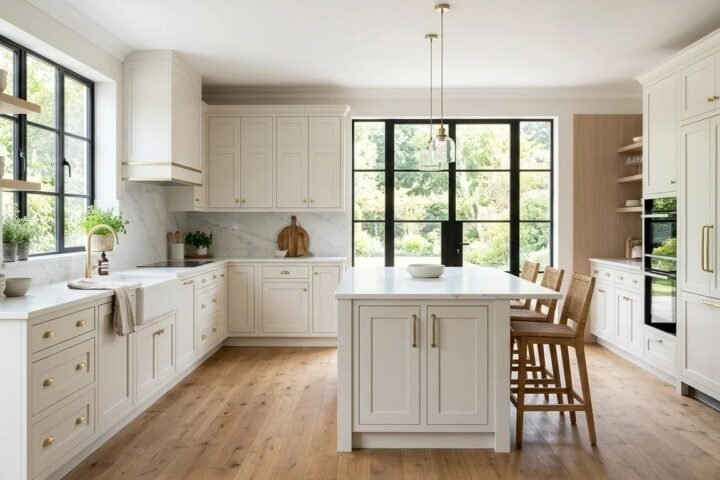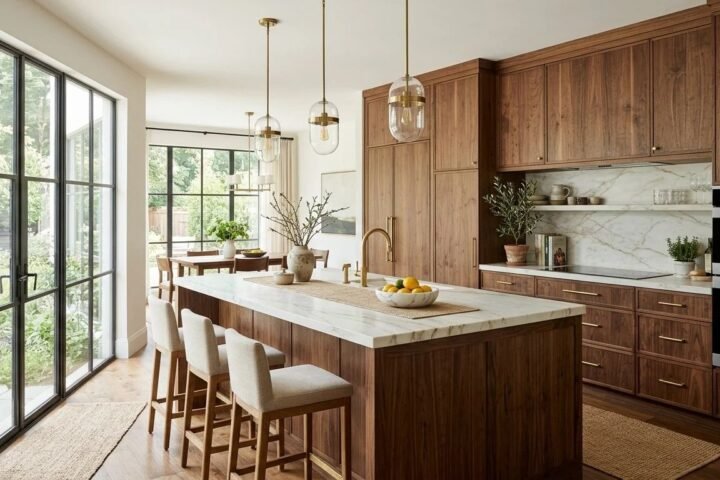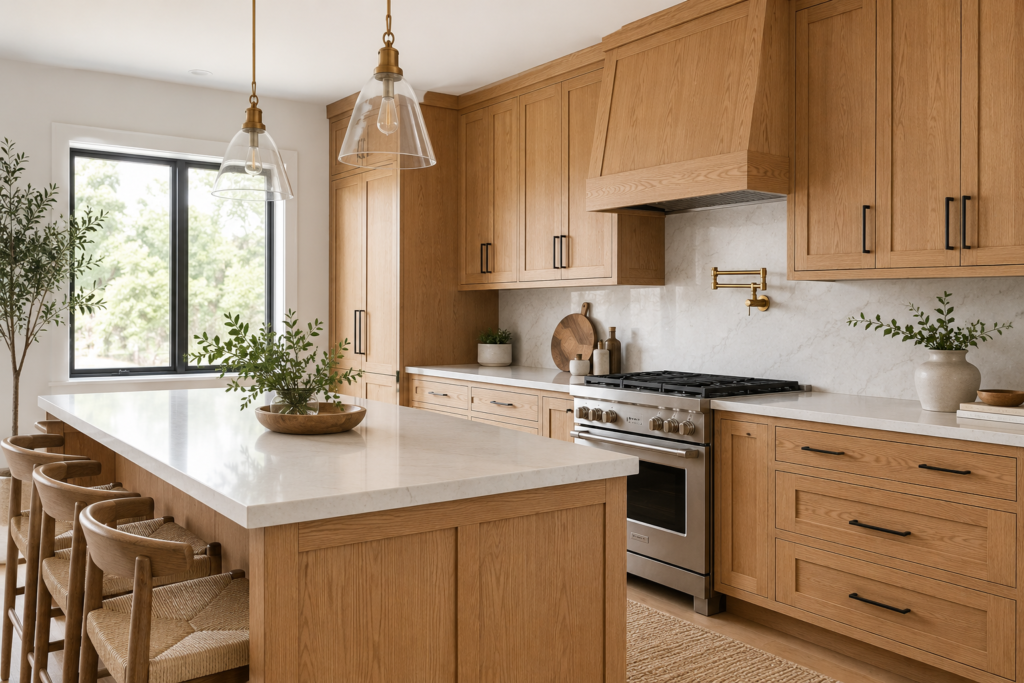
Kitchen cabinets play an important role in the overall look and feel of a kitchen. They provide storage, add character, and help bring different design elements together. If you are planning a kitchen renovation or simply exploring new design ideas, white oak kitchen cabinets are worth considering.
White oak has become a popular choice for homeowners who love natural materials and warm, timeless interiors. Its subtle grain patterns, light brown tones, and versatile appearance make it suitable for both modern and traditional kitchens.
However, like any other cabinet material, white oak has its advantages and disadvantages. Before choosing it for your kitchen, it is helpful to understand its appearance, durability, maintenance needs, and cost.
In this guide, we will explore the pros and cons of white oak kitchen cabinets and discuss a few important things to consider before making your decision.
What Are White Oak Kitchen Cabinets?
White oak kitchen cabinets are made using white oak wood, a hardwood known for its strength, durability, and attractive grain pattern. The wood usually has light beige, golden, or slightly brown tones that create a natural and welcoming appearance. You can also explore more about white oak wood characteristics and properties to understand its natural qualities and common uses.
One of the most noticeable features of white oak is its grain. It often has straight, subtle patterns that add texture without making the kitchen look too busy.
These cabinets are available in different styles, including:
- Shaker cabinets: Simple, clean frames that work well in modern and traditional kitchens.
- Flat-panel cabinets: Smooth surfaces that create a minimal and contemporary appearance.
- Natural finish cabinets: Show the original wood color and grain.
- Stained cabinets: Add a different shade while allowing the wood texture to remain visible.
Because of these options, white oak can fit into many different kitchen designs.
Pros of White Oak Kitchen Cabinets
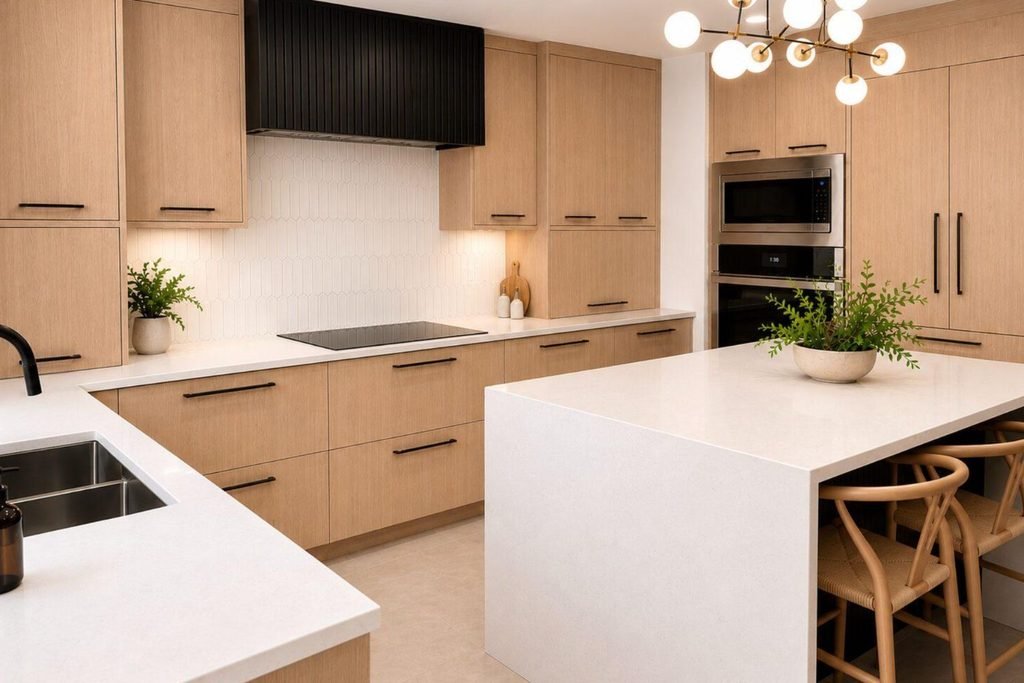
White oak cabinets offer several benefits that make them an attractive choice for kitchen renovations.
1. Natural and Timeless Appearance
One of the biggest advantages of white oak is its natural beauty. Unlike painted cabinets, which cover the wood grain, white oak finishes highlight the material’s original texture. If you are exploring other options, check out these kitchen cabinet colour ideas for more inspiration.
Its warm and neutral color also makes it easier to combine with different kitchen elements, such as stone countertops, ceramic backsplashes, and metal hardware.
For example, natural white oak cabinets paired with white quartz countertops can create a bright and balanced kitchen.
2. Strong and Durable Material
White oak is a hardwood with a dense structure, making it a durable option for kitchen cabinets. It can handle everyday use when properly constructed and maintained.
Kitchen cabinets are opened and closed frequently, so choosing a strong material is important.
White oak is also known for its resistance to wear. However, its long-term performance depends on the quality of construction, finish, installation, and maintenance.
3. Works with Different Interior Styles
White oak is a versatile material that can complement several kitchen styles.
You can use it in:
- Modern kitchens with clean lines and minimal decorations.
- Farmhouse kitchens with natural textures and simple finishes.
- Scandinavian kitchens with light colors and functional designs.
- Transitional kitchens that combine traditional and contemporary elements.
This flexibility makes white oak a practical choice if you want a kitchen design that will not feel outdated quickly.
4. Easy to Pair with Other Materials
White oak cabinets work well with many colors and materials.
Some popular combinations include:
- White oak cabinets with white quartz countertops.
- Natural oak cabinets with black cabinet handles.
- White oak cabinets with beige or cream backsplashes.
- Oak cabinets with marble countertops.
- White oak cabinets with warm brass hardware.
These combinations allow you to create different looks without changing the natural character of the wood.
5. Adds Natural Warmth to the Kitchen
All-white kitchens can sometimes feel cold or plain. White oak introduces natural warmth through its wood tones and visible grain.
Even a small section of oak cabinetry, such as a kitchen island or open shelving, can make the space feel more comfortable and inviting.
Cons of White Oak Kitchen Cabinets
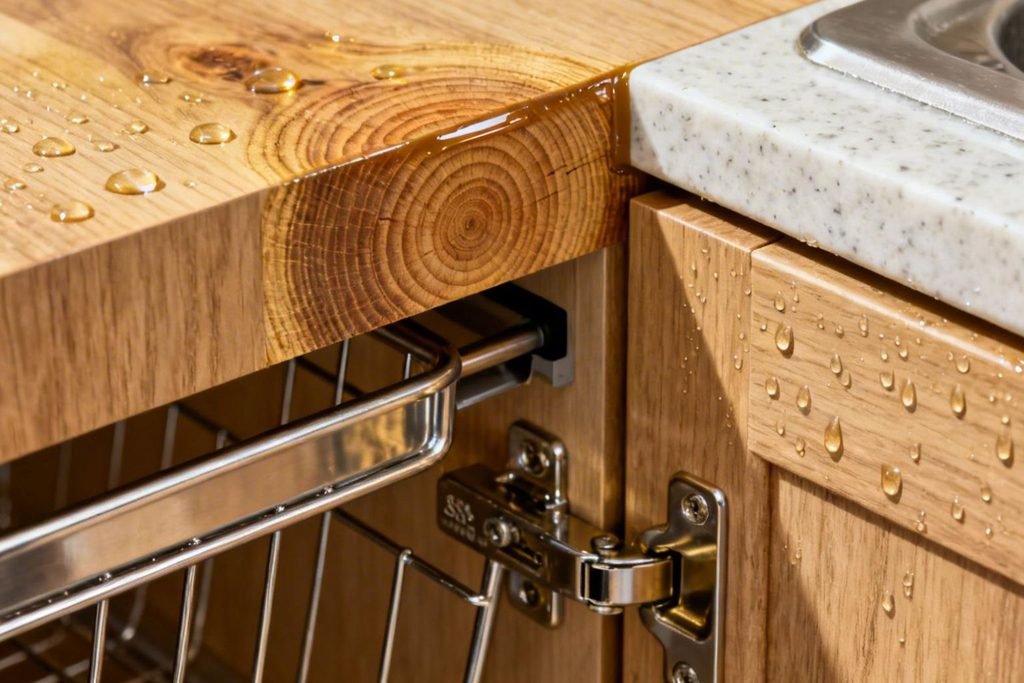
Although white oak has many advantages, there are a few drawbacks to consider before choosing it.
1. Higher Initial Cost
White oak cabinets can be more expensive than some alternatives, such as basic laminate or lower-cost cabinet materials.
The final price depends on several factors, including:
- Wood quality and availability.
- Cabinet size and design.
- Customization requirements.
- Finish and hardware selection.
- Installation costs.
If you have a limited renovation budget, compare different cabinet materials before making a decision.
2. Natural Color Variations
White oak is a natural material, so its color and grain can vary from one piece to another.
Some boards may have lighter shades, while others may appear slightly darker or more golden. These variations are normal and contribute to the natural character of the wood.
However, if you prefer a perfectly uniform kitchen appearance, these differences may not suit your expectations.
3. Requires Regular Cleaning and Care
Like other wood cabinets, white oak needs regular cleaning to maintain its appearance.
Grease, food splashes, and moisture can affect the finish over time if they are not cleaned properly.
Use a soft microfiber cloth and mild cleaning solution. Avoid harsh chemicals, abrasive scrubbers, and excessive water.
4. Can Be Affected by Moisture
White oak is more moisture-resistant than some other wood species, but it is not waterproof.
Continuous exposure to water, steam, or high humidity can damage the finish and may cause wood movement over time.
This is why proper sealing, ventilation, and quick cleanup of spills are important.
Important Things to Consider Before Choosing White Oak Cabinets
Before investing in white oak cabinetry, think about your kitchen layout, budget, and daily needs.
1. Choose the Right Finish
The finish plays a major role in how white oak cabinets look.
Some popular options include:
- Natural finish: Keeps the wood close to its original appearance.
- Clear finish: Protects the surface while allowing the grain to remain visible.
- Light stain: Creates a softer and brighter appearance.
- Medium stain: Adds warmth and a slightly deeper wood tone.
Always request a sample before selecting a finish. Wood can look different under natural daylight and artificial kitchen lighting.
2. Select Suitable Countertops
Countertops should complement the cabinet color rather than compete with it.
White oak cabinets look attractive with:
- White quartz for a clean and bright appearance.
- Cream-colored stone for a warm and balanced design.
- Light marble for a classic kitchen style.
- Dark countertops for a stronger contrast.
Consider the overall color scheme before choosing your countertop material.
3. Think About Your Kitchen Size
White oak cabinets can work in both small and large kitchens.
For smaller kitchens, lighter finishes and simple cabinet designs can help create an open feeling. In larger kitchens, you can experiment with darker stains, contrasting islands, or mixed cabinet colors.
Good lighting also helps bring out the natural grain of the wood.
4. Compare Cabinet Construction Quality
The wood species is important, but cabinet construction matters just as much.
Before purchasing, check:
- The quality of the cabinet doors and frames.
- The type of wood used in the cabinet boxes.
- Drawer and hinge quality.
- The protective finish.
- Installation and warranty details.
Ask whether the cabinets are made from solid white oak, oak veneer, or a combination of materials. This can affect their appearance, cost, and maintenance requirements.
5. Set a Realistic Budget
White oak cabinets can be a long-term investment, but the total renovation cost includes more than the cabinet material.
Include the cost of countertops, handles, installation, lighting, and other finishing details when planning your budget.
Getting quotes from multiple cabinet suppliers can help you compare quality and pricing.
White Oak Cabinets vs. Maple Cabinets
White oak and maple are both popular hardwood choices for kitchen cabinetry, but they have different appearances.
| Feature | White Oak | Maple |
| Appearance | Visible natural grain | Smoother, subtle grain |
| Color | Beige to light brown | Creamy white to light brown |
| Style | Natural and textured | Clean and simple |
| Durability | Strong hardwood | Strong hardwood |
| Finishing | Shows attractive grain patterns | Offers a smoother look |
White oak may be a better choice if you enjoy visible wood texture and natural patterns. Maple may suit you better if you prefer a more uniform appearance.
Neither material is automatically better. Your design preferences and budget should guide the decision.
How to Maintain White Oak Kitchen Cabinets
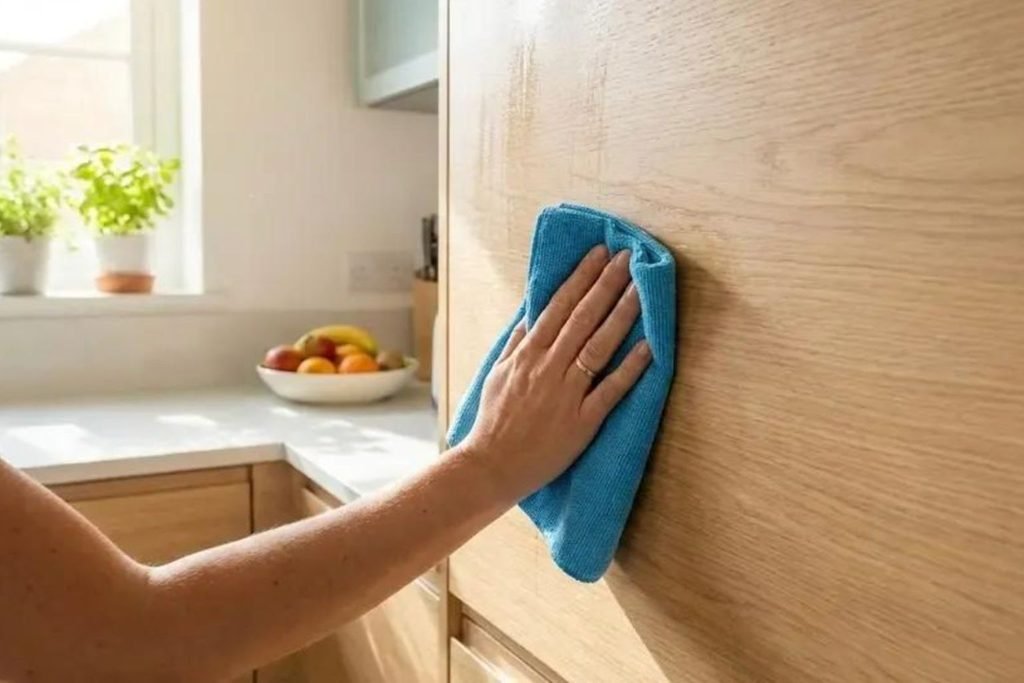
Proper care can help keep your cabinets looking attractive for years.
Follow these simple maintenance tips:
- Wipe spills and food splashes as soon as possible.
- Clean surfaces using a soft cloth and mild cleaner.
- Avoid leaving wet towels against cabinet doors.
- Keep kitchen ventilation working properly.
- Do not use harsh cleaning chemicals or abrasive materials.
- Follow the manufacturer’s instructions for polishing and refinishing.
Regular care is especially important around sinks, dishwashers, and cooking areas where cabinets may experience more moisture and grease.
Conclusion
White oak kitchen cabinets are a beautiful option for homeowners who want a natural, warm, and timeless kitchen design. Their attractive grain patterns, strength, and versatility make them suitable for different interior styles.
However, they also come with a few considerations, including higher costs, natural color variations, and regular maintenance needs.
Before choosing white oak, compare cabinet finishes, construction quality, countertops, and your overall renovation budget. If you appreciate natural wood and are comfortable with its care requirements, white oak can be a worthwhile addition to your kitchen.
Frequently Asked Questions (FAQs)
1. Are white oak kitchen cabinets a good choice?
Yes. White oak cabinets are a good choice for people who want durable hardwood cabinetry with a natural appearance. They also work well with different kitchen styles and finishes.
2. Are white oak cabinets expensive?
White oak cabinets can cost more than basic laminate and some other cabinet options. The final price depends on wood quality, cabinet design, customization, and installation.
3. Do white oak cabinets turn yellow over time?
White oak can change in appearance with exposure to sunlight and aging. The amount of color change depends on the wood, finish, and environmental conditions. Choosing a suitable protective finish can help manage these changes.
4. What countertops look best with white oak cabinets?
White quartz, cream-colored stone, marble, and darker countertops can all complement white oak cabinets. The best option depends on the kitchen’s overall color scheme and design.
5. Are white oak cabinets suitable for small kitchens?
Yes. Light or natural white oak finishes can work well in small kitchens. Pairing them with light countertops, simple hardware, and good lighting can help the space feel more open.
6. How do you clean white oak kitchen cabinets?
Use a soft microfiber cloth with a mild cleaning solution. Avoid abrasive scrubbers, harsh chemicals, and excessive water. Always follow the cabinet manufacturer’s cleaning recommendations.
7. Are white oak cabinets better than maple cabinets?
Both are durable hardwood options. White oak has a more visible grain pattern, while maple generally has a smoother and more uniform appearance. The better choice depends on your preferred style and budget.